5 Herbs & Menopause
Affiliate links are included in this blog. If you make a purchase using these links, I might earn a small commission at no extra cost to you. Win-Win!
Alright, Ladies! I want to talk to those of you who are dealing with menopausal symptoms and share FIVE Herbs that can help you while going through this natural life change.
Are you going through menopause, or have you been through menopause? What are your worst symptoms? What do you struggle with the most? What herbs did you try? Did you try one or several? Which ones worked for you?
Menopausal symptoms include irregular periods and changes in hormone levels which can lead to changes in mood, frequent irritability, frustration, and even anger. Women going through menopause also experience vaginal dryness, sore and tender breasts, thinning hair, bloating, weight gain, and the most well-known of all the dreaded symptoms - hot flashes and night sweats.
Just because these symptoms are often associated with this season of our lives doesn’t mean we must suffer with them. I want to share with you some herbal options that can help alleviate these symptoms.
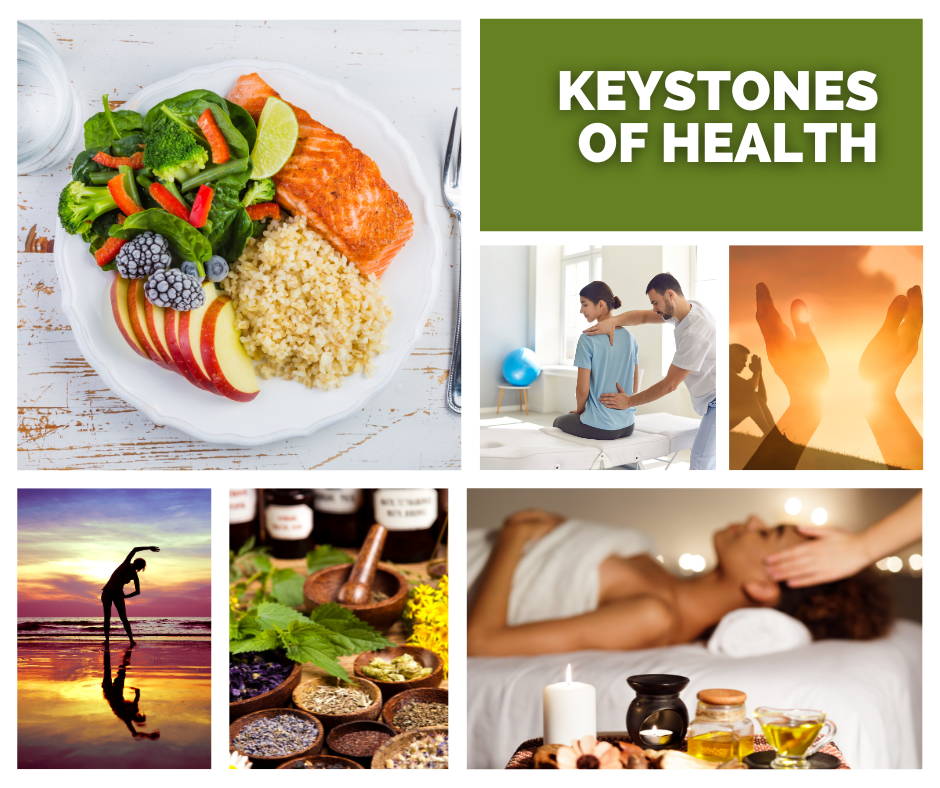
Before I share five herbs, let’s talk about some keys to health that we all need to practice. We must have strong health foundations in place to help support our bodies and our hormones as we go through this phase and transition in life.
Water
Are you drinking one-half your body weight in ounces of water each day? Are you drinking tea (not including herbal tea), sodas, diet drinks, coffee, wine or beer? These other beverages don’t hydrate the body properly. Some of them dehydrate the body and some can cause more harm to our bodies as they contain neurotoxins, artificial ingredients, empty calories, and preservatives. Eliminate sodas and diet drinks. Depending on how much you are drinking, you may want to cut down on or eliminate coffee and alcohol altogether.
Sunshine and Fresh air
Are you getting out each day and letting the sun kiss your skin? Are you taking walks and breathing in the fresh air? Too much sun is harmful to the skin, that’s true! But the sun on our skin for about 20 minutes each day can create Vitamin D. Not only do we need vitamin D for a healthy immune system, but we also need Vitamin D for hormone conversion in the body.
Vitamin D is also known to help with low mood and weight gain, two symptoms often experienced during menopause.
Sleep
Many women struggle to get a good night of refreshing sleep when going through menopause. That’s because our bodies no longer produce as much progesterone as before. Progesterone, along with melatonin, has a part in helping us sleep. Not only that, many women experience night sweats causing restlessness and low quality sleep.
When hot flashes are experienced at night, we refer to them as night sweats. Night sweats occur when estrogen and progesterone begin to decrease. Speaking from experience, these are horrible and much worse than hot flashes experienced during the day.
With night sweats, many women are in a catch-22, they need good sleep to help bring balance to their hormones, and they can’t sleep because their hormones are out of balance.
Let’s talk about water and alcohol intake again. Alcohol can cause an increase in hot flashes and night sweats. If need be, cut the alcohol intake and be sure you’re getting the right amount of water each day.
Reminder - the right amount of water is 1/2 your body weight in ounces of pure, clean water each day.
Exercise
Exercise requirements for menopausal women differ from that of younger women and men. Many menopausal women work out and still experience weight gain. When this happens, some women will work harder to lose weight. They’ll add more time, more reps, or more days to their workout routine. This can be counterproductive during this phase of our lives and cause more frustration, stress, and weight gain.
This can lead to feelings of hopelessness causing some women to give up, asking, “Why bother?”
But don’t give up. Exercise is still very helpful for us during and after menopause. It helps build strong bones, decreases anxiety and stress levels when done right, and aids in restful sleep. Consider doing pilates and stretching. What has worked for me is exercising three times per day for 10 minutes at a time, rather than a hard 30-minute workout. When I walk, I walk for 30 minutes and sometimes more, but when I do other workout routines, I break them up throughout the day. I’m still making my body stronger, but I’m not increasing the stress levels in my body which can lead to added weight and bad feelings about myself.
Diet and Nutrition - Cut the CRAP
We want to address our diet and nutrition levels. Cut the CRAP out of your diet. CRAP stands for Chemicals, Refined sugar & flour, Artificial ingredients, and harmful Preservatives and food coloring. Carbonated sodas are CRAP. Snack cakes are CRAP. Heck, even some of our “healthy” snacks are CRAP if they are filled with refined sugar, high fructose corn syrup, additives, artificial sweeteners, seed oils, and other refined oils. and preservatives. The fewer ingredients on the label, the better. Typically, the easier those ingredients are to pronounce, the better.
CRAP foods aren’t real foods. I call them “not-foods” because they don’t have the nutrition we need for strong, healthy bodies and a strong healthy glandular system. Make sure you’re getting good proteins and plenty of fruits and veggies and get rid of processed and packaged foods. They aren’t doing you any favors; especially during menopause!
Diet and nutrition should be our foundation, but many times we need to work on that a bit. And now that you are working on foundations, let’s talk about which herbs might help bring balance during menopause. Here is the REAL question.
WHICH HERBS BRING BALANCE TO YOU?
Not every herb works for every woman. An herb that works for me may not do a thing for you. So don’t be afraid to say, “I tried that and it didn’t work. Let me try another herb to see if that will help.”
That’s what I did! I had to. The hot flashes and night sweats were horrible. And what I experienced wasn’t nearly as bad as what I’ve seen other women go through.
Before I share what worked for me, let me share a few other herbs that traditionally and historically work to help women going through menopause.
Wild Yam
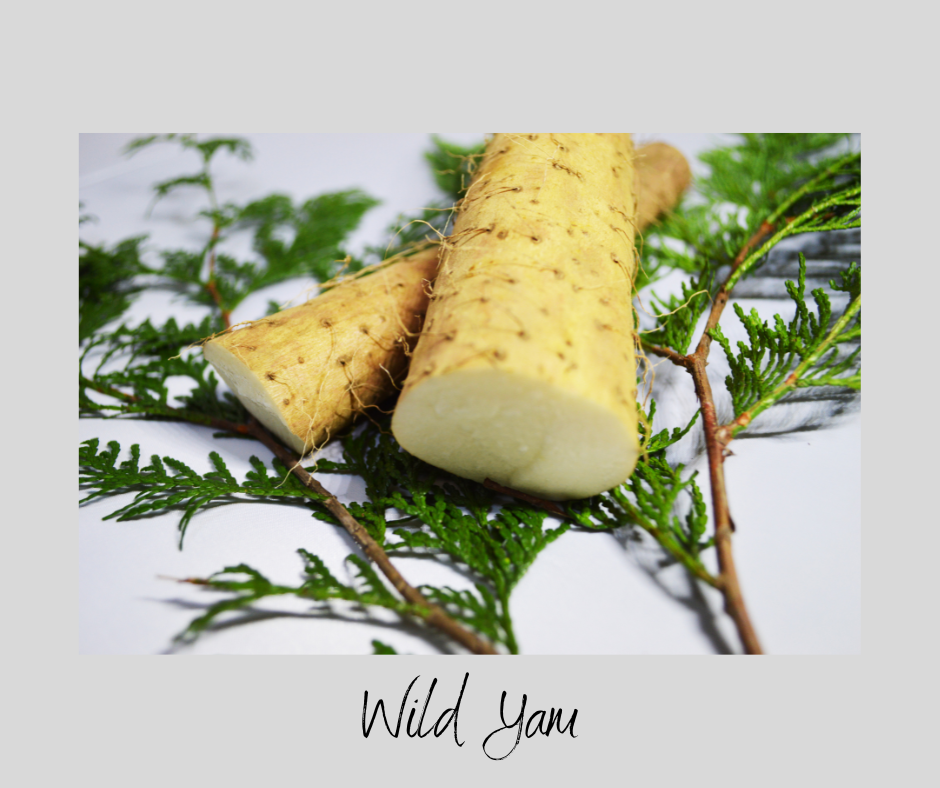
Many people tout Wild Yam as having chemical constituents that convert to progesterone in the body, but that’s not quite true.
The chemical compounds in Wild Yam don’t have a progesterone-like effect on the body, but Wild Yam is considered an anti-inflammatory herb. It helps with hot flashes because it’s cooling and relaxing.
Wild Yam does contain a chemical called diosgenin. This chemical is considered a phytosteroid and seems to have an estrogen effect on the body. This can help with vaginal itching and dryness which can help make intercourse more comfortable.
Wild Yam is also an anti-spasmodic herb that helps relieve cramping and other menstrual irregularities.
Vitex/Chaste Tree
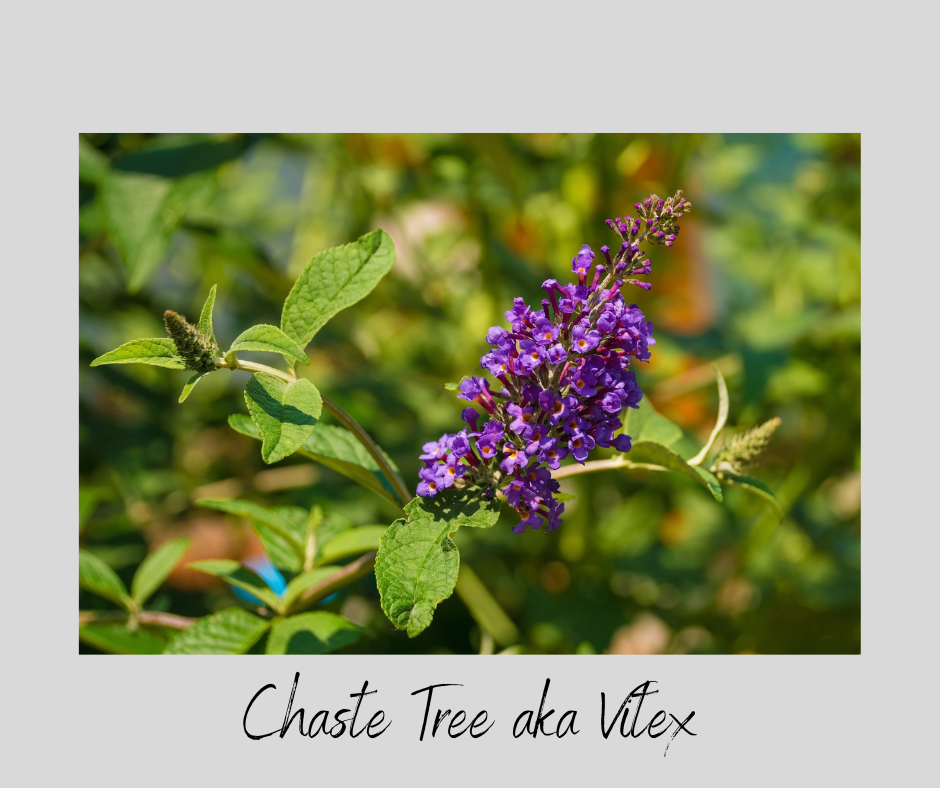
Chaste Tree is a hormone regulator. Where Wild Yam is a cooling and relaxing herb, Chaste Tree is a warming and drying herb. More importantly, Vitex brings balance to hormones and normalizes the body. It is well known for helping women through many phases of reproductive health including restoring fertility and aiding with PMS symptoms. It is also very beneficial for easing women through the fluctuations and changes experienced during menopause.
BONUS TIP
Try Wild Yam and Chaste Tree together!
These two herbs, Wild Yam and Chaste Tree , blended together work synergistically in bringing balance to women going through many kinds of menstrual irregularities including menopause. If you’ve tried one or the other of these two herbs, and you felt some relief, but not quite enough, give the combination a try! Nature's Sunshine Products has a fabulous combination that many of my herbal customers love!
Evening Primrose Oil
Evening Primrose Oil (EPO) is an oily herb that is often used by women to support female health issues. Some women experience a reduction of hot flashes and night sweats when taking Evening Primrose Oil while some only experience a lessening in night sweats.
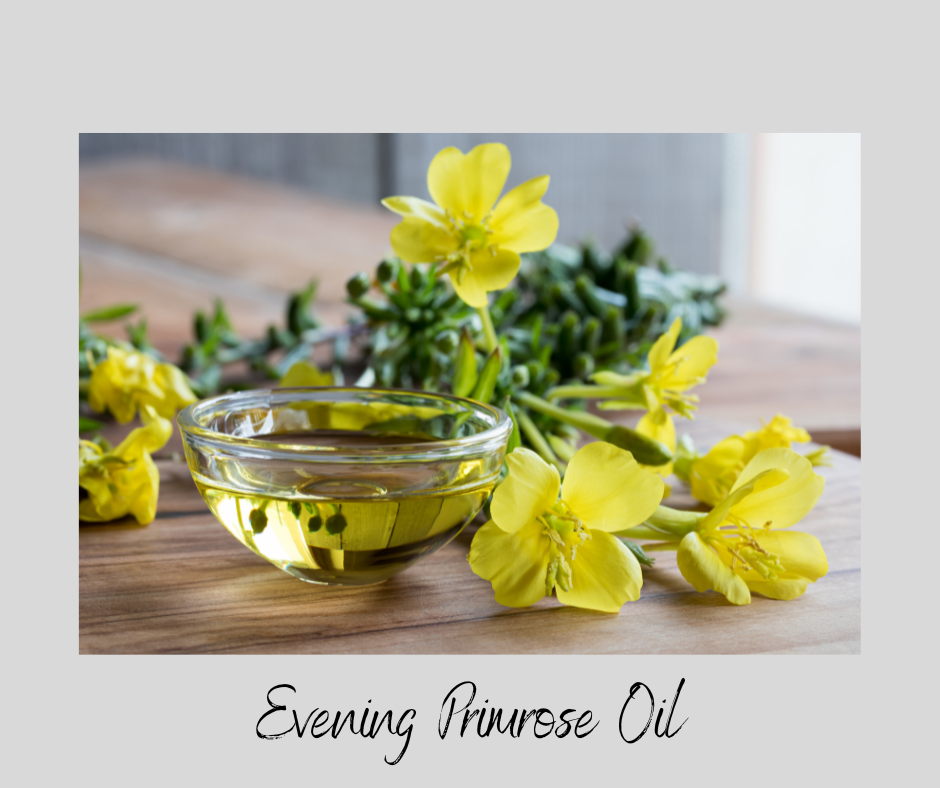
Evening Primrose Oil shines in reducing the frequency and severity of hot flashes and night sweats. Because it is high in Omega 6 Fatty acids and Gamma-linolenic acid, EPO should be considered as part of your herbal regimen if you experience tenderness or pain in your breasts, joint discomfort and stiffness, and mood and irritation.
Black Cohosh
Black Cohosh is often recommended for women during menopause. Many women benefit from this herb due to its cooling and relaxing effects on the body and the nervous system, helping with irregular pains during PMS and menopause. It’s also known to help with moods and is considered an herbal antidepressant and is recommended for those dealing with dark, gloomy emotions.
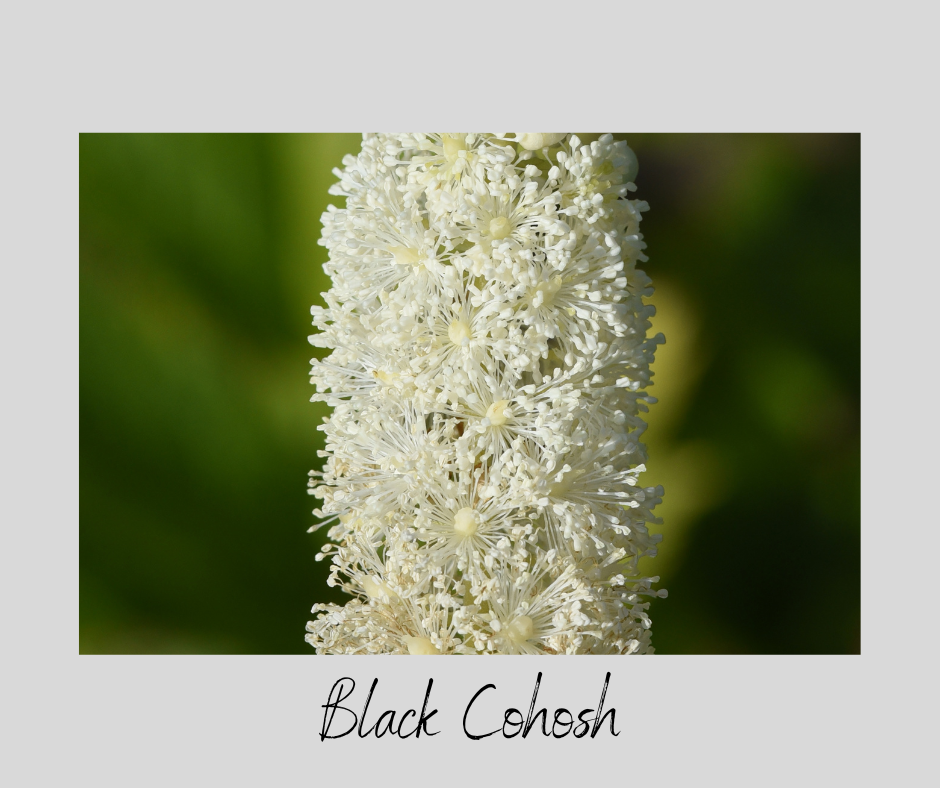
Try Black Cohosh alone
Or pair it with another great herb, Dong Quai. FLASH EASE by Nature’s Sunshine is a time-release formula that helps many women stay cool during their own “personal summers”.
Black cohosh can also help lower blood pressure that is elevated, reduce inflammation and pain in the joints, and is a good remedy for stings and bites. That’s an added benefit. Native Americans would use black cohosh to help deal with snake bites!
A word of caution. While we are talking about menopause in this blog, keep in mind that black cohosh can be used to help women with other reproductive issues including uterine pain, painful periods, severe cramping, and other muscular pains. Black cohosh can increase uterine action, so it should not be taken during the first trimester of pregnancy, but according to Easley and Horne, it can be helpful during the last weeks of pregnancy or during labor.
Sage
Sage may not be the first herb Herbalists think about when helping women through menopause, but it certainly has a place in my herbal arsenal. Sage has many herbal actions including being a nervine tonic. Because it helps soothe and strengthen the nervous system, sage builds our capacity to handle stress.
While it is a warming herb it is also a drying herb, and it helps alleviate night sweats.
Profuse sweating is one of the primary indicators for using Sage. Sage has astringent qualities that help with both hot flashes and night sweats and in one study, sage was found to decrease mild cases of hot flashes by 46%, while helping alleviate severe to very severe cases of hot flashes by 79 to 100%.
A link to the study is included in the endnotes below.
Sage is high in Vitamin K which is beneficial for those women who experience heavy bleeding during menopausal transition. Vitamin K aids in the clotting of blood which is needed for those experiencing heavy blood flow during periods.
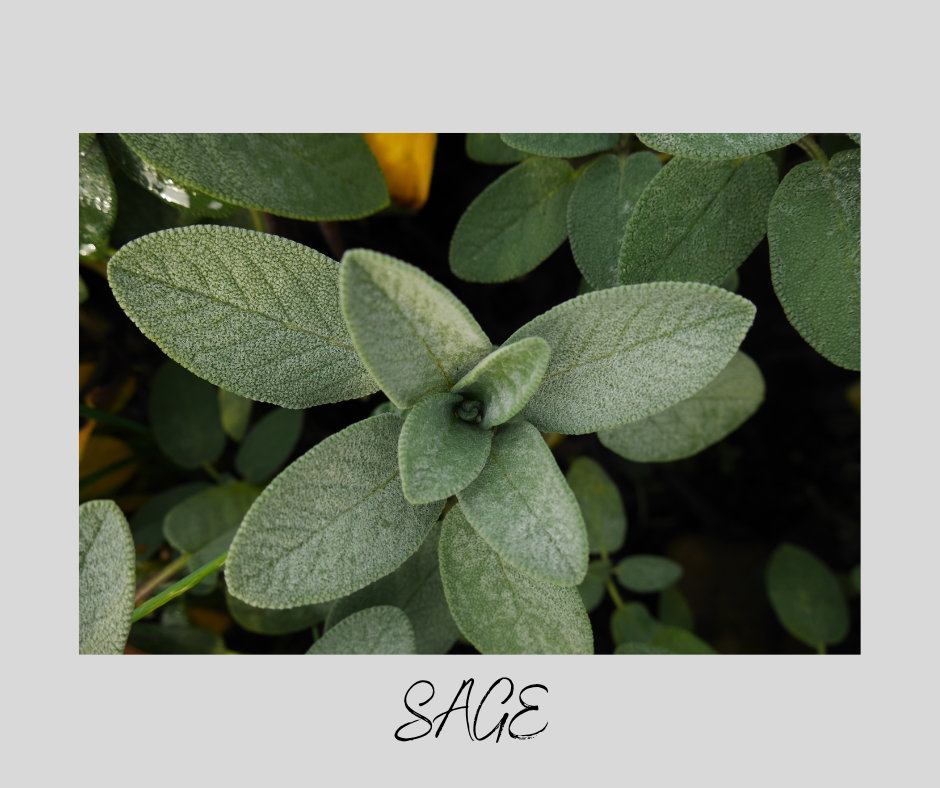
Sage is also used for helping with memory and is even recommended for those dealing with dementia and Alzheimer’s. It helps balance blood sugar levels which can help aid in weight control and weight loss.
Going through menopause can be very stressful for many women which means we release more cortisol. When cortisol levels stay active, inflammation increases. When inflammation increases, we experience weight gain and pain. Inflammation can also contribute to vaginal dryness and more hot flashes. The anti-inflammatory properties of sage can help ease these effects on the body during menopause.
Another caution – While sage is highly beneficial for many health issues and is often used to help with sore throat, fevers, coughs, digestion, lowering blood pressure, memory, focus, and MORE, it should be avoided in nursing women as it is known to dry up the flow of milk. Many herbalists also recommend avoiding sage during pregnancy as well.
We are talking about therapeutic uses of the herb here, not culinary uses. The amount of sage used in food doesn’t seem to affect milk production according to herbalist Phil Fritchey's book, “Practical Herbalism”.
Conclusion
So there you have it. Five herbs, plus helpful suggestions for balancing health, which can help you make it through menopause without the sweats, without the mood changes, and without all of the other issues associated with the change of life. Or at least, they can help alleviate most of these issues and help you feel more calm and balanced through the transition.
Endnotes:
Todd, L. (2023, November 15). What are the 34 symptoms of menopause, and what helps? Medical News Today. Retrieved August 2, 2024, from https://www.medicalnewstoday.com/articles/what-are-the-34-symptoms-of-menopause
7 Amazing Benefits and Uses of Sage Leaf For Menopause. (n.d.). Live Well Zone. Retrieved August 2, 2024, from https://livewellzone.com/sage-leaf-for-menopause/
Bommer, S., Klein, P., & Suter, A. (2011). First time proof of sage's tolerability and efficacy in menopausal women with hot flushes. Advances in therapy, 28(6), 490–500. https://doi.org/10.1007/s12325-011-0027-z
Salter, O. (n.d.). Should I be taking evening primrose oil for menopause? Nature's Best. Retrieved August 2, 2024, from https://www.naturesbest.co.uk/pharmacy/the-menopause/should-i-be-taking-evening-primrose-oil-for-menopause/
9 health benefits of wild yam (backed by science) (2021, October 24). Holland & Barrett. Retrieved August 2, 2024, from https://www.hollandandbarrett.com/the-health-hub/conditions/womens-health/menopause/go-wild/
Wild, S. (2023, October 27). Night sweats and disturbed sleep after the menopause. Bupa. Retrieved August 2, 2024, from https://www.bupa.co.uk/newsroom/ourviews/night-sweats-menopause
Fritchey, P. (2019). Practical Herbalism. : Whitman Publications.
Easley, T., & Horne, S. (2016). The Modern Herbal Dispensatory. : North Atlantic Books.
