Have you ever looked closely at your eyes? I mean really looked at them, beyond noticing whether they're blue, brown, green, or hazel. If you have, you may have noticed that the colored portion of your eye contains an incredible variety of patterns, fibers, markings, and variations in color. Even two people with the same eye color can have remarkably different iris structures.
I've been involved in natural health for more than two decades, and iridology continues to be one of my favorite subjects to teach. I love watching someone's expression when they see an enlarged photograph of their own iris for the first time. Most people have no idea how much detail is there, and once they begin noticing those details, the questions usually start coming.
Those questions often lead to a fascinating conversation about the iris, our inherited constitution, and what we can learn through the study of iridology.
What Exactly Is Iridology?
Iridology is the study of the iris, the colored portion of the eye, including its structure, fibers, pigmentation, and various markings. These characteristics provide information that iridologists use to evaluate a person's inherited constitution, constitutional strengths and weaknesses, and tendencies toward certain patterns of stress or imbalance.
We inherit much more than eye color from our parents and grandparents. We also inherit characteristics that influence our physical constitution and the ways our bodies respond to everyday demands. Some people seem to have tremendous stamina and resilience, while others have to be much more intentional about managing their energy, getting adequate rest, and maintaining their health.
Through the study of iris structure and markings, iridologists learn to recognize constitutional patterns and consider how those patterns relate to the individual. This is one of the foundational principles of Comprehensive Iridology and an important part of understanding the body's inherent strengths and areas that may need additional support.
Understanding Constitutional Strengths and Weaknesses
One of the first things I teach my students is how to recognize the structural characteristics of the iris. We examine the fibers, their arrangement, their density, and the spaces between them. These observations form the foundation for understanding constitutional types in Comprehensive Iridology.
For example, some irises have fibers that are closely arranged, creating a smooth, tightly woven appearance. Others have a more open structure, with visible spaces and irregularities between the fibers. We use these differences to evaluate constitutional strength and inherited tendencies.
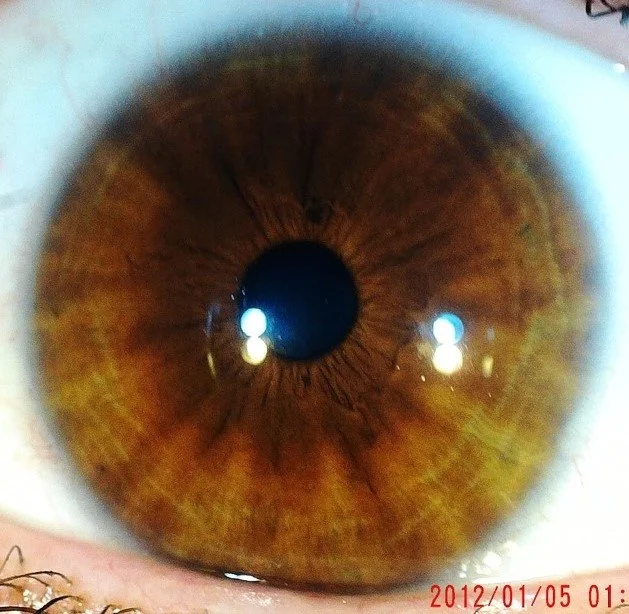
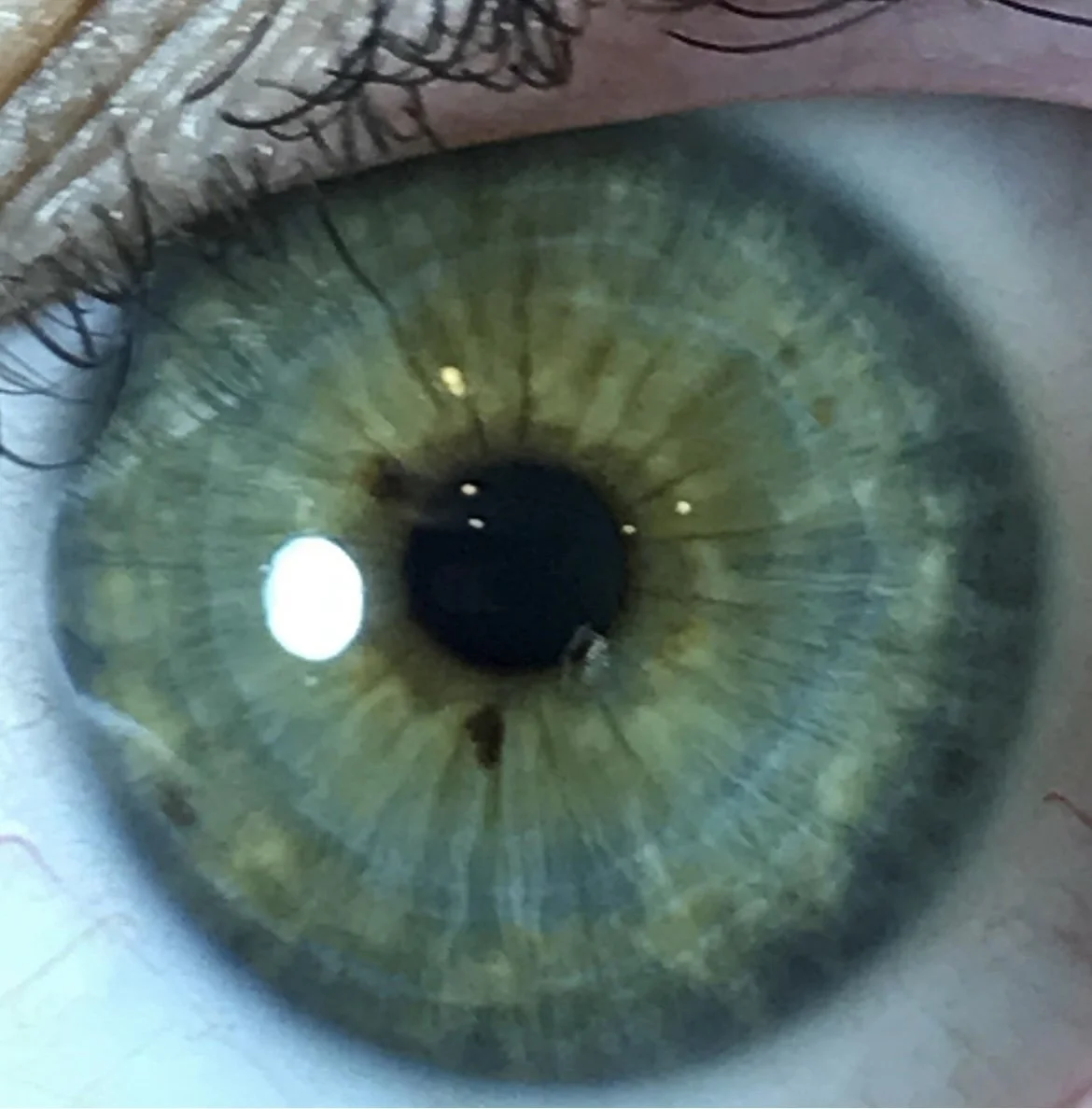
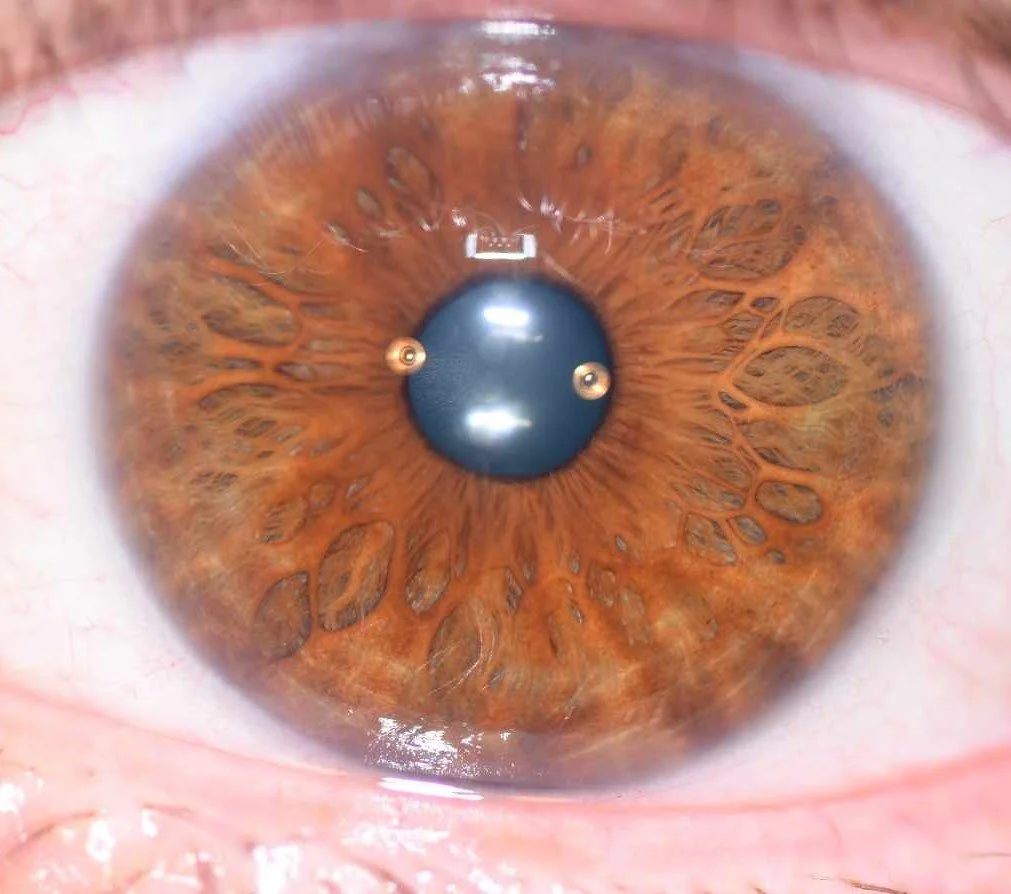
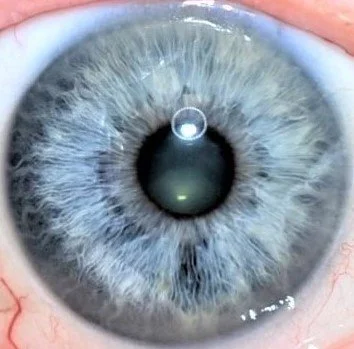
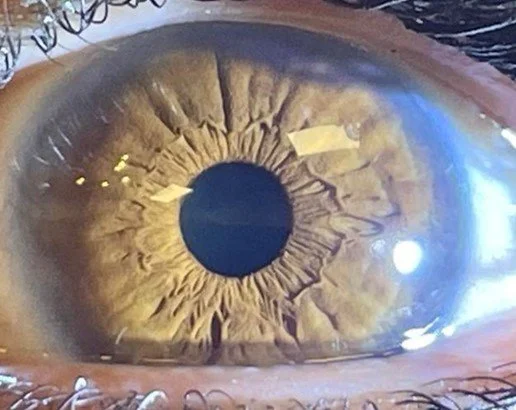
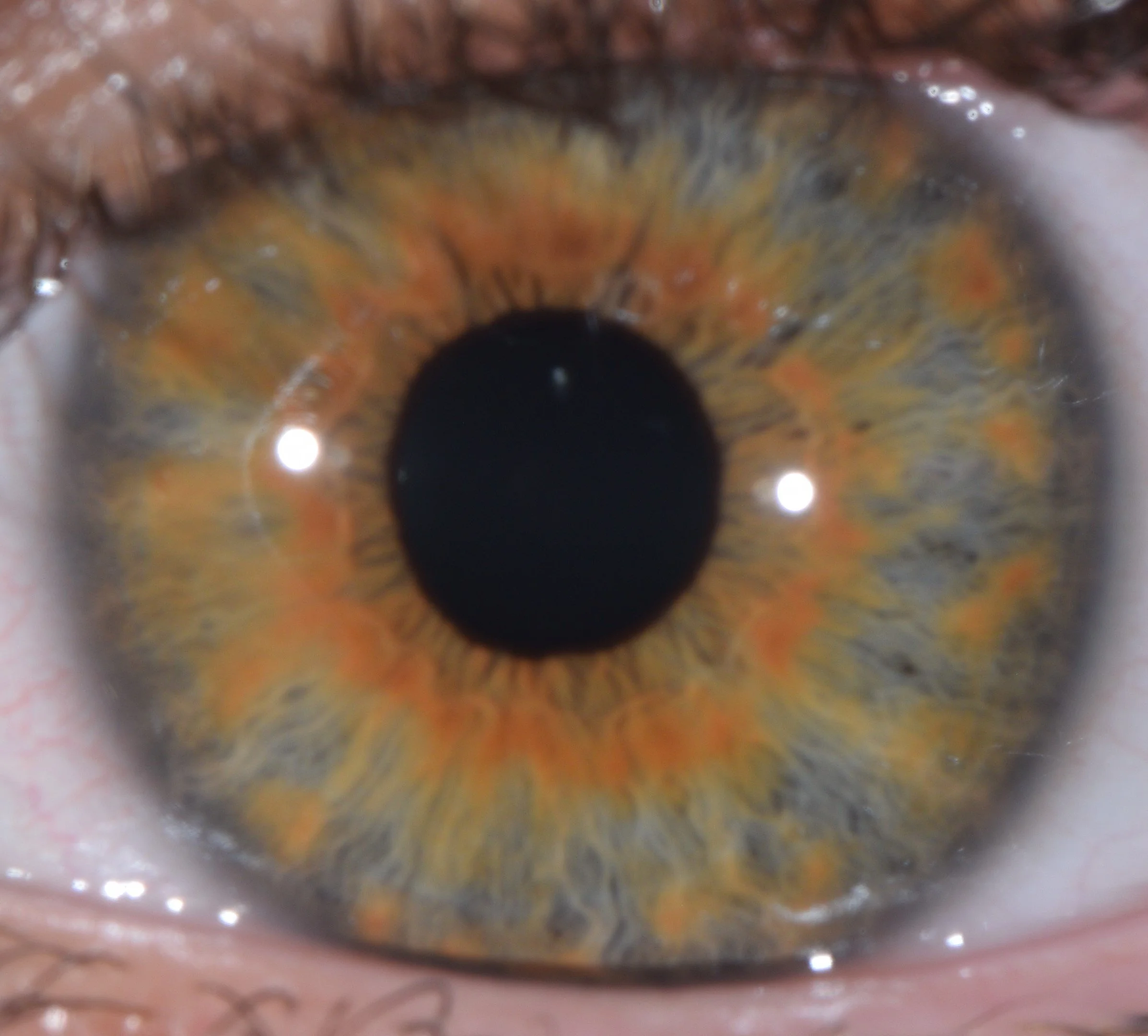
Think about two people who respond very differently to a demanding schedule. One may work long hours, miss a little sleep, and continue functioning remarkably well. Another may find that the same schedule leaves them exhausted and needing several days to recover. Understanding constitutional differences encourages us to consider why individuals may have different needs and responses.
I particularly enjoy this aspect of iridology because it helps students begin thinking about the person as a whole. We consider the individual's constitution, their experiences, and the many factors that influence their health and well-being.
What Do Iridologists Look For?
When students begin studying iridology, they quickly discover that there is much more to examine than the overall color of the eye.
We study the arrangement and density of iris fibers, variations in pigmentation, and structural features such as lacunae, crypts, and contraction furrows. Each of these characteristics contributes to the overall picture we develop as we study an iris.
In Comprehensive Iridology, we learn to bring these observations together, examining the relationships between different markings, their locations, and the constitutional patterns they represent. Students learn the terminology, study iris charts, and develop an understanding of how the different characteristics are evaluated.
One of the things I emphasize with my students is the importance of learning to observe accurately. Before you can begin interpreting an iris, you need to understand what you're actually looking at. That takes time, study, and practice with many different iris photographs.
I've watched students go from struggling to recognize a particular marking to confidently identifying structures they would never have noticed before. It's rewarding to see their understanding develop as they begin putting the pieces together.
What Can You Learn About Yourself Through Iridology?
This is probably one of the most common questions people ask when they're first introduced to iridology.
One of the primary areas we explore is constitutional inheritance. We examine patterns associated with an individual's inherent strengths and weaknesses, along with tendencies that may influence how they respond to physical and emotional demands.
We also consider the relationships between different body systems and the importance of understanding how those systems work together. This is particularly interesting when we begin exploring the nervous system, digestion, and the body's responses to stress.
For many people, learning about their constitutional tendencies encourages them to become more observant of their own habits, responses, and needs. It can open the door to meaningful conversations about nutrition, rest, lifestyle, and the importance of supporting the body's natural functions.
I believe one of the most valuable things we can do in natural health education is help people become more aware of their own bodies and develop a greater appreciation for the way they were designed to function.
What Does Learning Comprehensive Iridology Involve?
People are sometimes surprised by how much there is to learn. Iridology involves considerably more than looking at a chart and matching a marking to a particular area of the body.
In my Levels I & II Comprehensive Iridology training, we begin with the anatomy and physiology of the eye, the history of iridology, constitutional types, iris structures, and the terminology used throughout the discipline.
As students progress, we examine the different markings, pigmentation, and structural variations found in the iris. We also work with iris photographs and case studies so students can practice recognizing what they've learned and develop their observational and analytical skills.
I believe the case studies are especially important. It's one thing to read about an iris marking in a textbook, but recognizing that marking in an actual photograph takes practice. I want my students to understand the material well enough to explain their observations clearly, recognize relationships between different findings, and approach each iris thoughtfully.
For students pursuing professional education, my training includes Levels I & II Comprehensive Iridology and advanced Level III instruction. These courses also provide a pathway toward professional certification through the International Iridology Practitioners Association (IIPA).
Interested in Learning More?
Whether you're simply curious about the patterns in your own eyes or considering iridology as part of your natural health education, there is much to explore.
I offer introductory classes for those who want to become familiar with the subject, along with comprehensive training for students who are ready to pursue a deeper understanding. My goal is to provide thorough, practical education and help students develop the knowledge, observational skills, and confidence to continue learning.
If you'd like to explore the possibilities, visit my Iridology Education page to learn more about my classes and training programs.
