The Vagus Nerve: Your Body’s Built-In Pathway to Calm
If you’ve been keeping an eye on natural health trends lately, you’ve probably noticed a lot of buzz around the vagus nerve, and for good reason. This remarkable nerve acts like a communication superhighway, connecting your brain with your heart, lungs, digestive system, and more. It plays a key role in calming the body after stress and harmonizing your nervous system to regulate balance throughout the body.
Why the Vagus Nerve Matters
The vagus nerve is a key component of the parasympathetic nervous system, sometimes called the “rest and digest” system. When activated, it slows the heart rate, encourages proper digestion, reduces inflammation, and helps restore a sense of calm after the body has been on high alert. In other words, a healthy vagus nerve can mean better stress recovery, improved digestion, steadier moods, and stronger overall resilience.
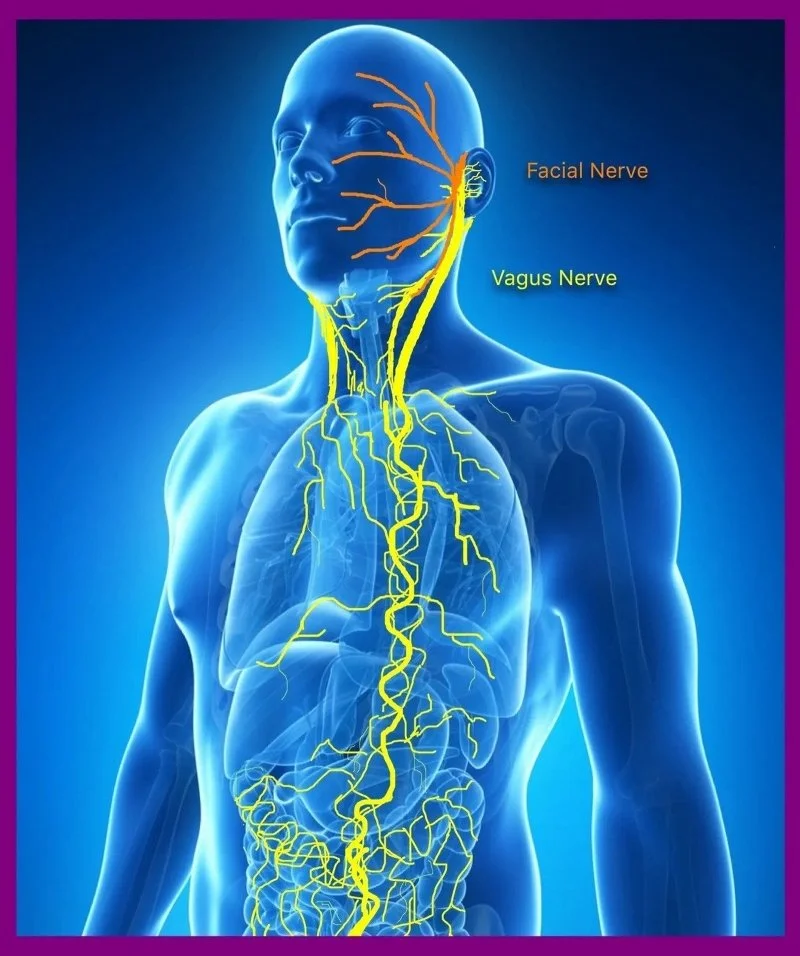
When the vagus nerve isn’t functioning optimally, the opposite can happen—poor stress response, digestive troubles, mood imbalances, and even lowered immunity. That’s why supporting this nerve has become such a hot topic in both conventional and holistic wellness circles.
Image sourced from www.ncbi.nlm.nih.gov
Simple Ways to Support the Vagus Nerve
The exciting part is that you don’t need complicated treatments or a medicine cabinet full of supplements to begin supporting your vagus nerve. Instead, there are many gentle, everyday practices that encourage vagal tone and help restore balance to the nervous system. Here are a few to consider:
Deep breathing exercises: Slow, diaphragmatic breathing signals safety to the nervous system, helping regulate heart rate and calm the body.
Singing, humming, or chanting: These activities gently stimulate the vagus nerve through the muscles of the throat and vocal cords.
Cold exposure: Splashing your face with cold water or finishing a shower with 30 seconds of cool water can help “wake up” vagal activity.
Gentle movement practices, such as Pilates, somatic movement, full-body dance, swimming, or walking outdoors, reduce stress and naturally support parasympathetic balance.
EFT tapping (Emotional Freedom Technique): This method combines acupressure and mindfulness, sending calming signals to the nervous system.
As we explore natural ways to support the vagus nerve and restore balance to the nervous system, one of the most powerful tools is meditation and renewing our minds with God’s promises for us. Scripture offers profound wisdom for calming the mind and body. Verses like Philippians 4:6-7 remind us that surrendering our worries invites God’s peace to guard our hearts and minds. Isaiah 26:3 teaches that trusting in God steadies the mind, while Psalm 46:10 invites us to “be still” in His presence and know God in such a way that we see Him as our refuge (Psalm 46:7,11). John 14:27 and Matthew 11:28-30 offer the promise of divine rest and gentle guidance. Meditating on these passages while practicing deep, slow breathing or gentle movement can enhance vagal tone, reduce stress, and help your body truly rest and restore itself.
Five Scriptures for Calm and Peace
Philippians 4:6-7 – “Do not be anxious about anything, but in every situation, by prayer and petition, with thanksgiving, present your requests to God. And the peace of God, which transcends all understanding, will guard your hearts and your minds in Christ Jesus.”
Isaiah 26:3 – “You will keep in perfect peace those whose minds are steadfast, because they trust in you.”
Psalm 46:10 – “Be still, and know that I am God.”
John 14:27 – “Peace I leave with you; my peace I give you. I do not give to you as the world gives. Do not let your hearts be troubled and do not be afraid.”
Matthew 11:28-30 – “Come to me, all you who are weary and burdened, and I will give you rest. Take my yoke upon you and learn from me, for I am gentle and humble in heart, and you will find rest for your souls.”
What’s Next
In upcoming blogs, I’ll share more in-depth ways to support the vagus nerve, including the use of Gemmotherapy remedies, Bach Flowers, herbs, and other natural tools for restoring balance. We’ll explore how these gentle plant allies work hand-in-hand with lifestyle practices to help you feel calmer, connected, and resilient.
If nervous system health is something you’re working on—or if stress has felt overwhelming—this series is for you.
👉 Want more support right now? Join my free Facebook group, Calm and Connected: Restoring Health Naturally, where I share resources, encouragement, and practical tools to help you restore your body's balance.
References
Breit, S., Kupferberg, A., Rogler, G., & Hasler, G. (2018). Vagus nerve as modulator of the brain–gut axis in psychiatric and inflammatory disorders. Frontiers in Psychiatry, 9, 44. https://doi.org/10.3389/fpsyt.2018.00044
Groves, D. A., & Brown, V. J. (2005). Vagal nerve stimulation: A review of its applications and potential mechanisms that mediate its clinical effects. Neuroscience & Biobehavioral Reviews, 29(3), 493–500. https://doi.org/10.1016/j.neubiorev.2005.01.004
Kenny, B. J., & Bordoni, B. (2023). Neuroanatomy, Vagus Nerve. In StatPearls. StatPearls Publishing. https://www.ncbi.nlm.nih.gov/books/NBK459223/
Porges, S. W. (2011). The polyvagal theory: Neurophysiological foundations of emotions, attachment, communication, and self-regulation. W. W. Norton & Company.
Tracey, K. J. (2002). The inflammatory reflex. Nature, 420(6917), 853–859. https://doi.org/10.1038/nature01321
Biblica. (2011). The Holy Bible, New International Version. Zondervan. (Original work published 1978)
